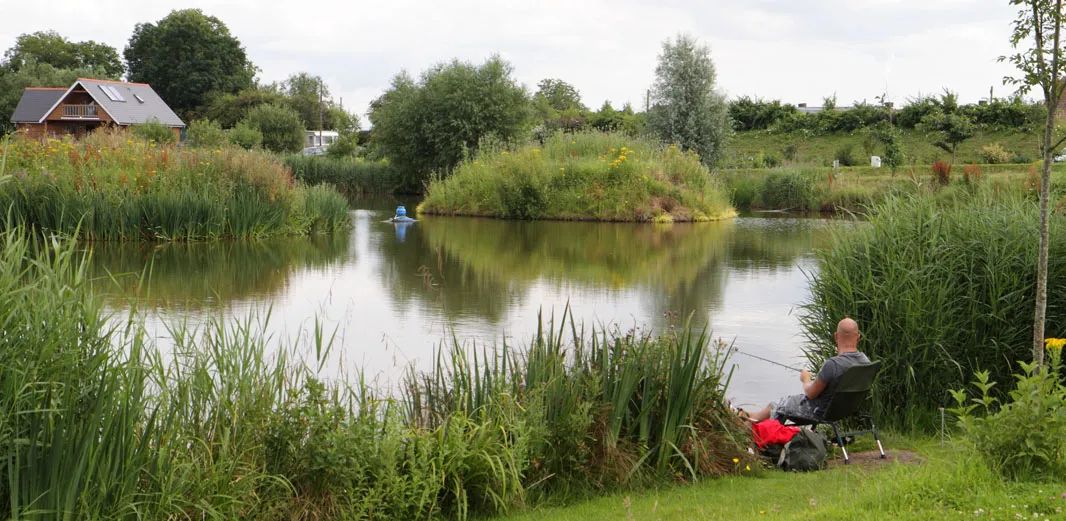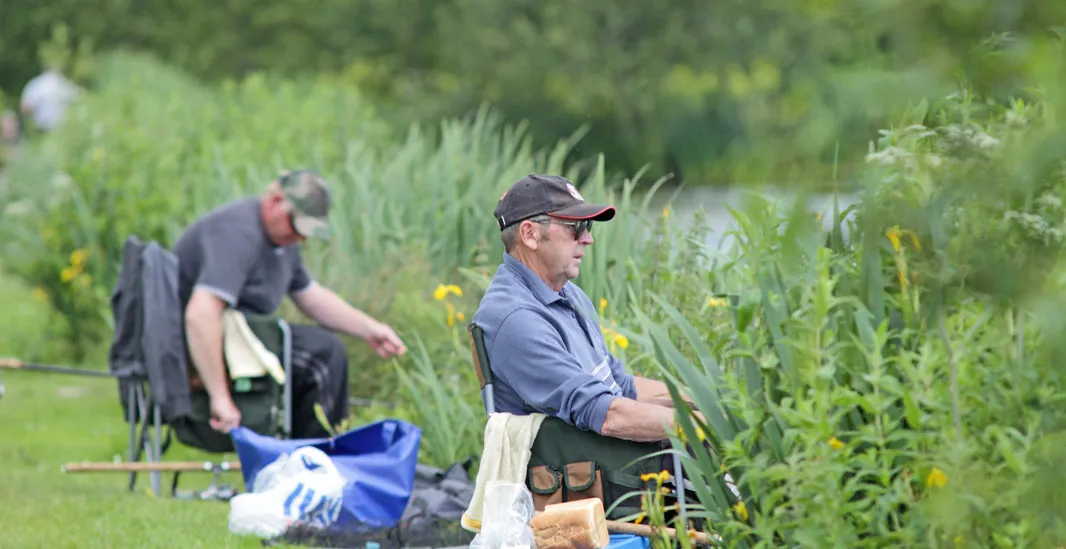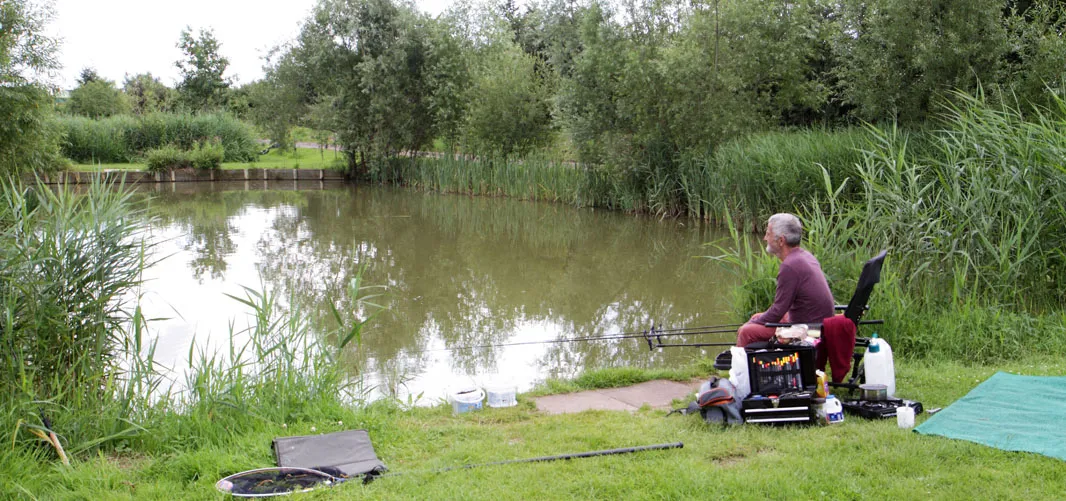
There are few better ways to spend a day than watching for a screaming run in the Somerset sunshine. The carp at The Sedges are well-conditioned, hard-fighting fish, and whether you are a seasoned specimen angler or picking up a rod for the first time, a little preparation goes a long way. This guide walks you through everything you need to put more carp on the bank.
Choosing the right peg
The single biggest thing you can do to catch more carp is to fish where the carp are. Rather than dropping into the first empty swim, spend five minutes walking the bank and watching the water. Carp give themselves away constantly if you know what to look for.
- Bubbles fizzing up in patches usually mean fish are grubbing about on the bottom.
- Coloured or clouded water is a classic sign of feeding carp disturbing the silt.
- Rolling and topping fish show you where they are holding, even if they are not feeding yet.
Early in the day the fish will often sit in the warmer, shallower water and along the margins. Set up quietly, keep off the skyline, and try not to crash your lead into a spot you have just seen fish over.
Reading the features
Carp love cover and structure. On all three of our lakes the productive areas tend to be the same: margins, overhanging trees, reed beds and any change in depth. If you can find a spot where the bottom comes up onto a shelf, or a gap between two reed beds, you have found a natural larder that carp visit again and again.
You do not need to cast to the horizon. Some of our biggest fish come from within a rod length of the bank, so do not ignore the margin right under your feet — especially later in the session once you have been feeding it.
Keeping rigs simple
You really do not need a tackle box the size of a suitcase. Two simple set-ups will cover almost all of your carp fishing here.
The running lead
A straightforward running lead with a short, supple hooklink of 6–8 inches presents a bait beautifully over most lake beds. It is forgiving, tangle-free and lets you feel every touch.
The method or pellet feeder
A light method feeder packed with micro pellet, fished with a short hooklink and a bright hookbait, is one of the most effective carp tactics there is. It puts a tight ball of feed right next to your hook every cast, which is exactly what you want.
Balanced bottom baits and pop-ups both work well over a bed of pellet or corn. Barbless or micro-barbed hooks are a must under our fishery rules, and they do far less damage to the fish.
Bait and feeding
It is tempting to pile the bait in, but a steady trickle keeps the fish grubbing about in your swim without overfeeding them. Little and often is the golden rule. Start with a small bed of pellet and corn, then top it up with a few pouches every time you recast.
Our carp are not fussy. Sweetcorn, pellet and a few boilies will keep them coming back for more. In warmer weather, floating baits fished off the top can produce spectacular sport — watching a carp slurp a floater off the surface is one of angling’s great thrills.
Playing and caring for your fish
When that bite comes, keep calm and let the carp tire itself against a balanced setup. Always net your fish rather than lifting it, rest it on a wet unhooking mat, and return it gently once you have slipped the hook. A few seconds of care make all the difference to the health of the lake — and it means the next angler enjoys the same fish you just did.
Ready for a session?
Tile and Brick Lakes are the pick for carp, while Canal Lake offers a lovely mixed bag. Take a look at our three lakes, check the day-ticket prices, and come and see what The Sedges has to offer. If it is your first visit, our guide for new anglers is well worth a read too.