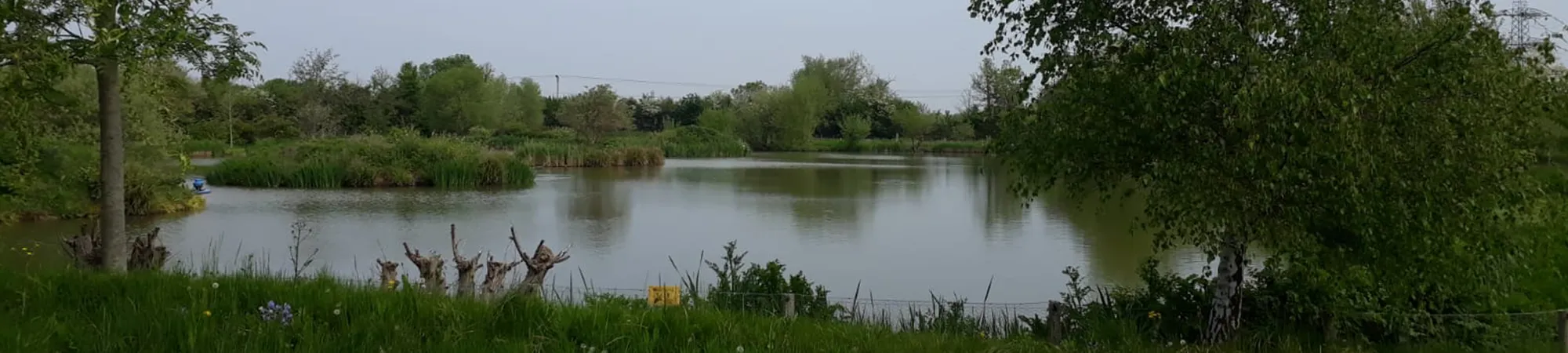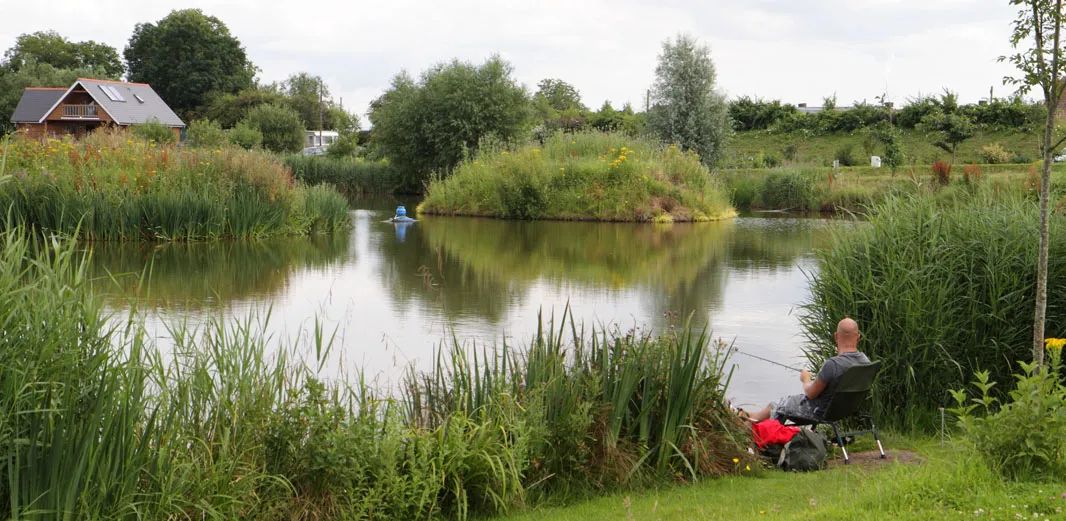
If there is one method every angler should learn first, it is float fishing. Watching a float sitting on the surface and then sliding away as a fish takes your bait is one of the great pleasures of the sport — and it teaches you everything about bite detection, feeding and playing fish. Our Canal Lake at The Sedges is a perfect place to master it.
Why start with a float?
A float does two jobs. It presents your bait at exactly the depth you want, and it tells you the instant a fish bites. Unlike a feeder or a bite alarm, a float shows you the whole story — the little knocks, the lift bites, and the confident slide under that means it is time to strike. That instant feedback is why float fishing is the fastest way to learn.
The kit you’ll need
Keep it simple. A float rod of 11–13 feet, a small reel loaded with 3–4 lb line, a few floats, some split shot, hooks and a plummet will cover everything you need to begin. Add a landing net, an unhooking mat and a disgorger, and you are ready. For a full run-down, see our coarse fishing kit checklist.
Step by step: setting up a float rig
- Attach your float. A waggler is locked in place with shot either side of the eye; a pole-style float sits on the line with small shot spread below it.
- Add your shot. Pinch on enough split shot so that only the very tip of the float shows above the surface. That fine tip is your bite indicator.
- Plumb the depth. Clip a plummet to your hook and lower it in. Adjust the float up or down until the tip sits correctly with the plummet on the bottom. Now you know the exact depth.
- Set your bait just off the bottom. Slide the float down a touch so your bait rests just on, or just above, the deck — where most fish feed.
Feeding: the secret to a busy day
More fish are lost through poor feeding than poor rigs. The rule is simple: little and often. Introduce a small pinch of maggots or a few grains of corn every cast or two, always to the same spot. This creates a column of falling bait that draws fish in and holds them in your swim. Resist the urge to pile it all in at once.
Striking and playing your fish
When the float slides purposefully under, lift the rod smoothly to set the hook — there is no need to strike hard. Keep the rod up and let it absorb the fish’s runs, then draw it gently over a waiting landing net. Support the fish on a wet unhooking mat, slip the barbless hook out, and return it carefully.
Common beginner mistakes
- Fishing at the wrong depth — always plumb up first.
- Too much shot or a heavy float that drowns delicate bites.
- Feeding too much, too soon, which can push fish out of the swim.
- A hook that is too big for the bait — match the hook to the maggot or grain of corn.
Come and practise
Float fishing rewards time on the bank more than anything you can read. Grab a pint of maggots, pick a quiet peg on the Canal Lake, and put these steps into practice. Check our day-ticket prices, and if you are brand new, read our beginner’s guide to coarse fishing first.